
The Science Behind Positive Affirmations and Their Influence on Emotional Resilience

Understanding the Power of Positive Affirmations
In our fast-paced world, emotional resilience is an essential trait. The ability to bounce back from life’s challenges can make a significant difference in overall well-being. But what if there was a simple tool to enhance this trait? One such tool that has garnered attention in recent years is the practice of positive affirmations.
Positive affirmations are short, powerful statements that can help shift our mindset and propel us toward growth. Designed to challenge and control negative thoughts, these affirmations can be pivotal in creating a more constructive self-dialogue. Recent studies suggest that these affirmations can lead to profound changes in our emotional landscape. Consider the following:
- They can reduce stress levels.
- They enhance self-esteem and confidence.
- They promote a more optimistic outlook on life.
The efficacy of positive affirmations can be linked to their impact on our brain’s neuroplasticity. Research indicates that when we repeat these positive statements, we stimulate brain regions related to reward and motivation. Such encouragement leads to a cycle of positivity, making it easier to navigate through adversity. For instance, a person might affirm, “I am capable of overcoming challenges,” which can help them feel more empowered when faced with obstacles in their career or personal life. This shift in mindset allows them to approach problems with confidence rather than fear.
Moreover, studies from psychology suggest that individuals who engage in regular affirmation practices often report higher levels of self-efficacy—the belief in one’s ability to succeed in specific situations. This can be particularly useful in high-pressure environments, such as workplaces or academic settings, where stress is prevalent. Think about a student preparing for finals: reciting affirmations like, “I am prepared and ready to succeed,” can alleviate anxiety and boost confidence, leading to improved performance.
Diving deeper into the science behind these affirmations reveals fascinating insights into their psychological benefits. For instance, a study conducted by researchers at the University of California found that self-affirmation exercises improved problem-solving abilities among participants facing stressful situations. This suggests that affirmations do not merely serve as temporary mood boosters; they may foster a state of mind more conducive to cognitive and emotional growth.
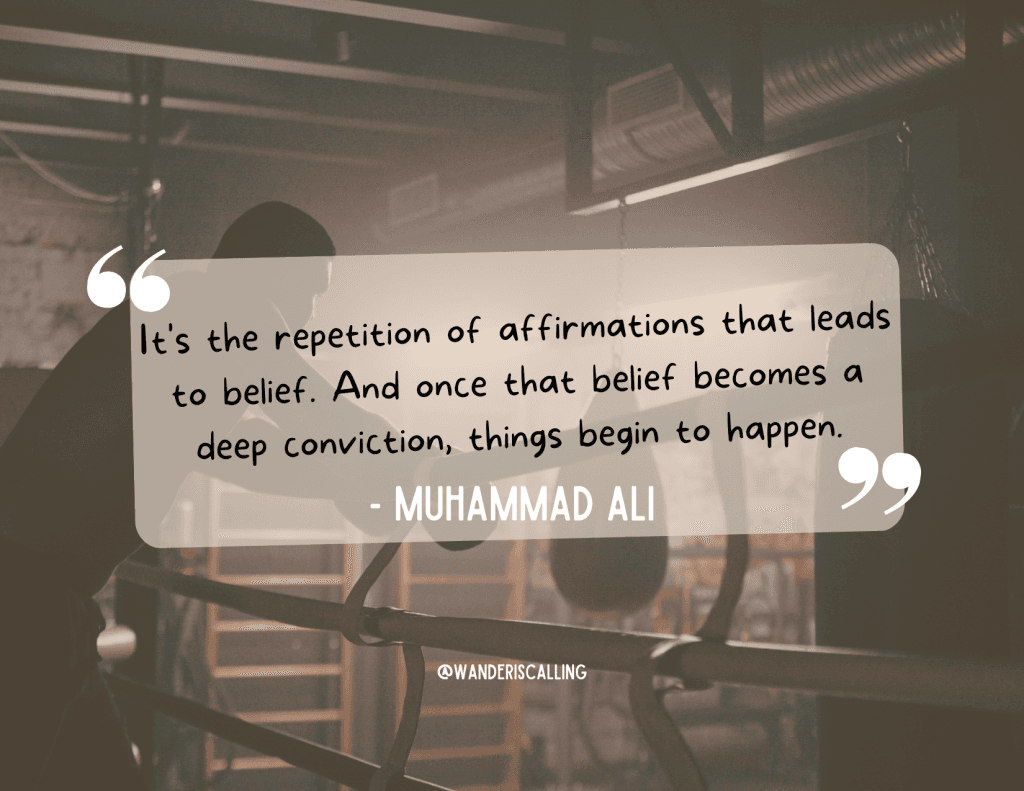
Understanding this interplay is essential for anyone seeking to improve their emotional resilience and uncover new paths to mental well-being. By integrating positive affirmations into daily routines, individuals may find themselves better equipped to tackle life’s ups and downs, ultimately enriching their personal and professional lives.
DISCOVER MORE: Click here to learn how affirmations can boost your self-confidence
The Mechanisms of Change: How Positive Affirmations Work
The impact of positive affirmations on emotional resilience can be traced back to several psychological mechanisms. Understanding these mechanisms reveals why such a seemingly simple practice can lead to profound changes in our mental states and coping abilities. One core concept at play is the cognitive restructuring process. This refers to the way our brains reframe negative thought patterns into more positive and constructive ones.
Research has shown that individuals who regularly practice affirmations significantly reduce the effects of stress and self-doubt. When people recite affirmations, they trigger a positive feedback loop in the brain. This loop not only helps diminish the negative self-talk that often accompanies stress but also enhances the activation of areas in the brain that are involved with positive reward responses. Studies indicate that the use of affirmations elevates levels of dorsolateral prefrontal cortex activity, a region linked to sophisticated cognitive processing and emotional regulation.
In addition to structural brain changes, positive affirmations can have tangible effects on our daily behaviors and interactions. For example, people who frequently engage in affirmation practices are more likely to engage in healthy habits, maintain better relationships, and take on challenges with a mindset geared towards success. The benefits are evident in various everyday situations, which can include:
- Improved workplace performance under pressure
- Enhanced problem-solving skills
- Greater willingness to take healthy risks
- Increased overall life satisfaction
Furthermore, a pivotal study from Stanford University highlighted the link between self-affirmation and academic performance. The findings revealed that students who practiced self-affirmation before high-stakes tests not only performed better academically but also reported lower levels of stress and anxiety. This correlation underscores the role that positive affirmations can play in fostering resilience, especially in high-pressure environments common in schools and workplaces.
The neuroscience behind the efficacy of positive affirmations is also supported by research into neuroplasticity, the brain’s ability to reorganize itself by forming new neural connections. Engaging in positive self-statement practices encourages the brain to rewire itself by replacing negative beliefs with empowering thoughts. Over time, this rewiring can lead to lasting changes in how individuals perceive themselves and their environment.
Ultimately, understanding how positive affirmations affect our neural pathways not only demonstrates the science behind this practice but also clarifies their potential to foster emotional resilience. By incorporating these affirmations into daily life, individuals can develop a stronger foundation to navigate life’s challenges and emerge with greater strength and adaptability.
The Science Behind Positive Affirmations
Positive affirmations are powerful tools that can help reshape our mental framework. They are simple yet impactful declarative statements that encourage a positive change. Research has shown that engaging in positive self-talk can significantly influence our emotional well-being. When we recite affirmations, we effectively combat negative thoughts and foster a mindset geared towards growth and resilience.The underlying principle of positive affirmations is rooted in the psychological mechanism known as the “self-affirmation theory”. According to this theory, individuals can maintain their self-integrity by affirming their values and beliefs, which strengthens their psychological resilience. This psychological resilience plays a critical role in how we react to stress, manage adversity, and ultimately engage with life’s challenges.Moreover, a study published in the journal *Psychological Science* found that individuals who practiced positive affirmations demonstrated a reduced response to stress, showing that our cognitive and emotional responses can be modified through targeted thought patterns. By consistently practicing affirmations, we can create a neural pathway that favors positivity, enhancing our overall emotional resilience.A compelling aspect of positive affirmations is their ability to boost self-esteem and self-confidence. For instance, by regularly affirming a belief in one’s capabilities, individuals may find themselves more likely to pursue challenging goals and overcome fear of failure. The act of affirming one’s self-worth can trigger a cascade of positive outcomes, permeating different aspects of life, from personal relationships to professional development.
Exploring the Benefits of Positive Affirmations
To illustrate further, consider the benefits associated with positive affirmations:
| Category | Description |
|---|---|
| Enhanced Self-Esteem | Helps in reinforcing self-worth and increases an individual’s belief in their abilities. |
| Stress Reduction | Leads to lower cortisol levels and reduced anxiety when facing challenges. |
Through the lens of psychology and neuroscience, we can appreciate the transformative power of positive affirmations. They not only affect how we perceive ourselves but also influence how we navigate through emotional turbulence, highlighting their importance in developing robust emotional resilience. Harnessing the potential of positive affirmations invites us to explore new dimensions of our mental wellness and encourages continuous growth.
DISCOVER: Click here to unlock the power of positive affirmations
Emotional Validation: The Role of Positive Affirmations in Mental Health
In addition to cognitive restructuring and neuroplasticity, another crucial aspect of positive affirmations lies in their ability to provide emotional validation. This concept refers to the practice of acknowledging and accepting one’s feelings, thoughts, and experiences without judgment. Positive affirmations serve as a powerful tool in this context, promoting self-acceptance and fostering a sense of worthiness. When individuals engage in the practice of affirming their strengths and values, they are essentially giving themselves permission to be human, with all the accompanying flaws and insecurities.
In a world often dominated by external expectations and societal pressures, where mental health challenges are prevalent, the need for emotional validation becomes more pressing. An increase in mental health awareness in the United States has highlighted the importance of self-affirmation as a preventive strategy against feelings of inadequacy and depression. Individuals who practice self-affirmations often report improved emotional well-being and heightened self-esteem, which are fundamental components of emotional resilience.
Additionally, the social aspects of positive affirmations cannot be overlooked. Engaging with others in self-affirmation discussions enhances the collective effect of these practices. For instance, support groups or workshops that incorporate affirmative language and peer validation can amplify the feelings of belonging and acceptance. Research has consistently shown that people who express and receive affirmations in a supportive environment are better equipped to handle emotional stressors. This group dynamic can lead to a warm, positive atmosphere, sufficient to bolster participants’ emotional resilience.
Moreover, the repercussions of positive affirmations extend into the realm of long-term mental health. A significant study published in the Journal of Personality and Social Psychology found that individuals who engaged in self-affirmation exercises displayed lower levels of physiological stress markers, such as cortisol, during high-pressure situations. This evidence reinforces the idea that positive affirmations can act as a buffer against stress, ultimately contributing to improved bodily health as well as emotional wellness.
Cultivating emotional resilience through positive affirmations also encourages individuals to articulate and establish their core values. This introspective process plays a vital role in guiding behavior and decision-making. By affirming one’s principles—be it kindness, resilience, or hard work—individuals can create a strong internal compass that enables them to navigate uncertainties and adversities more effectively.
- Active self-acceptance: Acknowledging one’s feelings leads to stronger mental fortitude.
- Empowered relationships: Positive affirmations enhance interpersonal connections, providing support during tough times.
- Stress management: Self-affirmation exercises help regulate stress hormones and improve physiological responses.
In summary, the multifaceted approach of using positive affirmations encompasses emotional validation, strengthening social bonds, and enhancing long-term mental health outcomes. Together, these factors deepen our understanding of how positive affirmations fuel emotional resilience, making them a critical component in the ongoing conversation about mental well-being.
DISCOVER MORE: Click here to learn how positive affirmations can transform your life
Conclusion: The Power of Positive Affirmations in Building Emotional Resilience
As we explore the intricate relationship between positive affirmations and emotional resilience, it becomes evident that this practice transcends mere words. The science behind positive affirmations reveals that engaging in self-affirmation not only nourishes the mind but also bolsters our physiological responses to stress. By creating neural pathways that enhance emotional regulation, these affirmations empower individuals to nurture a healthier self-image and foster an enduring sense of self-worth.
Furthermore, the role of emotional validation is crucial in this journey. In an era where mental health awareness is on the rise, positive affirmations provide a refuge against the challenges posed by societal pressures. Individuals who partake in this empowering practice equip themselves with the tools necessary to combat negative self-talk and low self-esteem, leading to profound improvements in emotional well-being and resilience.
It is also significant to acknowledge the communal aspect of positive affirmations. Engaging in supportive environments that promote a culture of affirmation can amplify individual benefits, fostering stronger relationships and creating a collective sense of belonging. This social reinforcement can prove invaluable in times of emotional distress, demonstrating that we are not alone in our struggles.
In conclusion, the compelling evidence supporting the impact of positive affirmations encourages a shift in how we view self-talk and its effects on our emotional landscape. As we continue to explore the depths of this practice, it becomes imperative to integrate positive affirmations into our daily lives, thus laying the groundwork for a more resilient mental state. Through understanding and employing these simple yet profound practices, we can transform our emotional health and navigate life’s challenges with a renewed spirit of fortitude.